Cannabis Leaves Ignite Controversy Amid Evolving Philippine Drug Laws
April 17, 2026
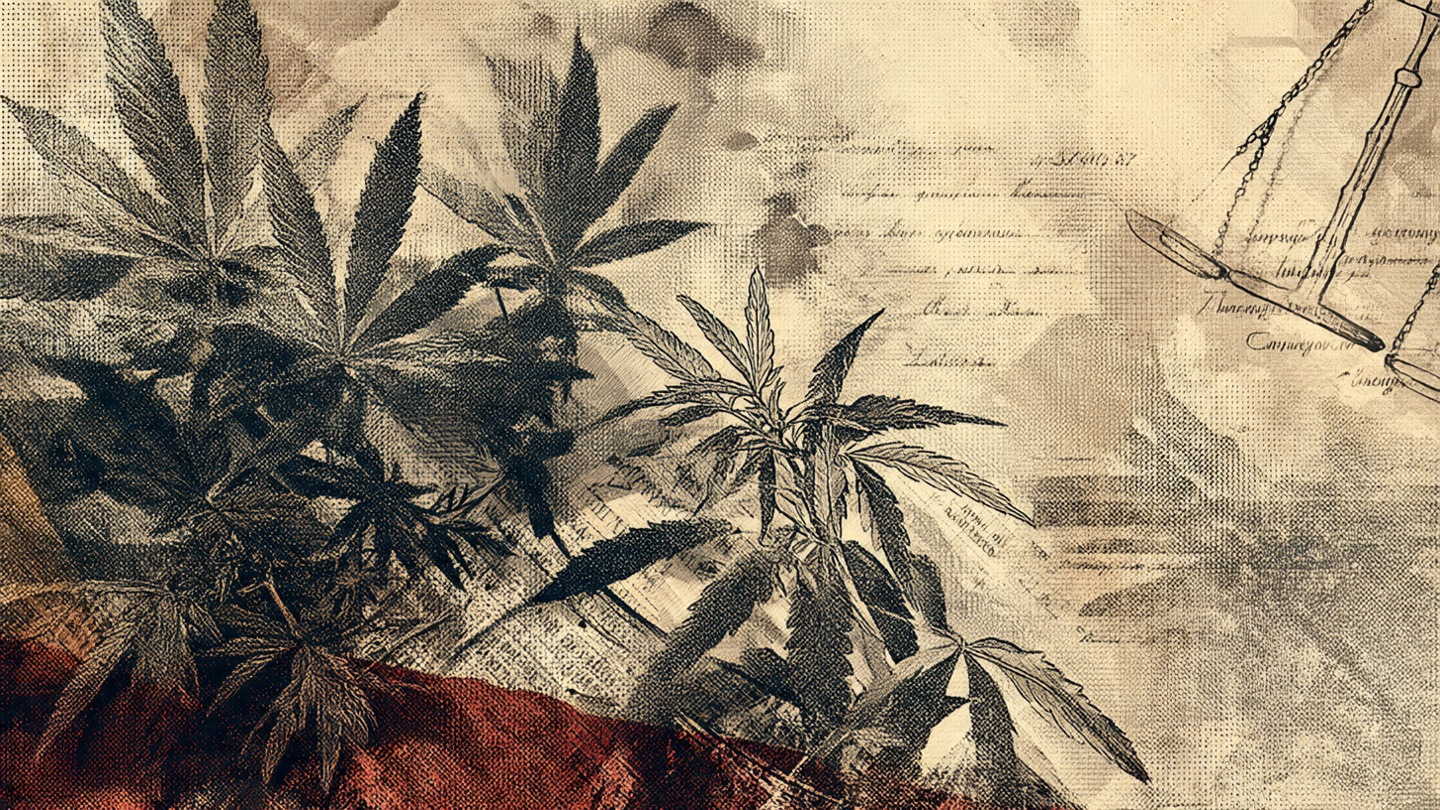
In a striking visual representation of the ongoing debates surrounding cannabis in the Philippines, a recent image depicting cannabis leaves has surfaced, raising complex legal and ethical discussions. Given the backdrop of Republic Act No. 9165, known as the Comprehensive Dangerous Drugs Act of 2002, the cultivation and use of cannabis are strictly prohibited, classifying it as a dangerous drug. This latest imagery provides insight into the cultural shift and the dialogue regarding potential legalization efforts, particularly in the context of medicinal use.
As legislative initiatives gain traction, such as House Bill No. 6517 aiming to regulate medicinal cannabis, the public’s perception of cannabis is increasingly nuanced. Advocates for medicinal use argue for the necessity of cannabis in treating various health conditions, while opponents cite potential misuses and the existing legal implications surrounding its production and distribution. The imagery of the cannabis leaves serves as a symbolic touchstone in these discussions, highlighting the contentious atmosphere surrounding cannabis rights amidst shifting legislative frameworks.
Concern arises regarding the interpretation and potential misinterpretation of such imagery. Without contextual documentation, the image could be misconstrued as promoting illegal activities related to cannabis cultivation or use. Legal experts warn that presenting the cannabis leaves without accompanying legal context may expose individuals to scrutiny under existing laws, specifically those pertaining to the Comprehensive Dangerous Drugs Act. Investigations have suggested that entities or individuals associated with the cultivation of cannabis face significant legal risks under the current framework.
As the country navigates the complexities of cannabis legislation, the imagery adds fuel to the fire of an already heated debate. It exemplifies the push and pull between traditional views on illegal drugs and the modern understanding of cannabis' medical benefits. Lawmakers are now facing increasing pressure to reassess the legal status of cannabis, influenced by changing societal attitudes and medical research surrounding its efficacy. With potential paths forward, the cannabis discourse in the Philippines is set to evolve, challenging established norms within the legal landscape.
The ramifications of these discussions are profound, as they intersect with cultural perceptions and the realities of law enforcement. As public interest in legalizing medicinal cannabis rises, stakeholders in the cannabis space are urged to consult legal professionals to navigate the intricacies of compliance and advocacy. The continuous evolution of cannabis legislation holds the promise of transformation, but it also requires a careful approach to avoid pitfalls that may lead to legal repercussions.