Tragedy Strikes: Titanic Sinking Raises Legal and Ethical Questions
April 17, 2026
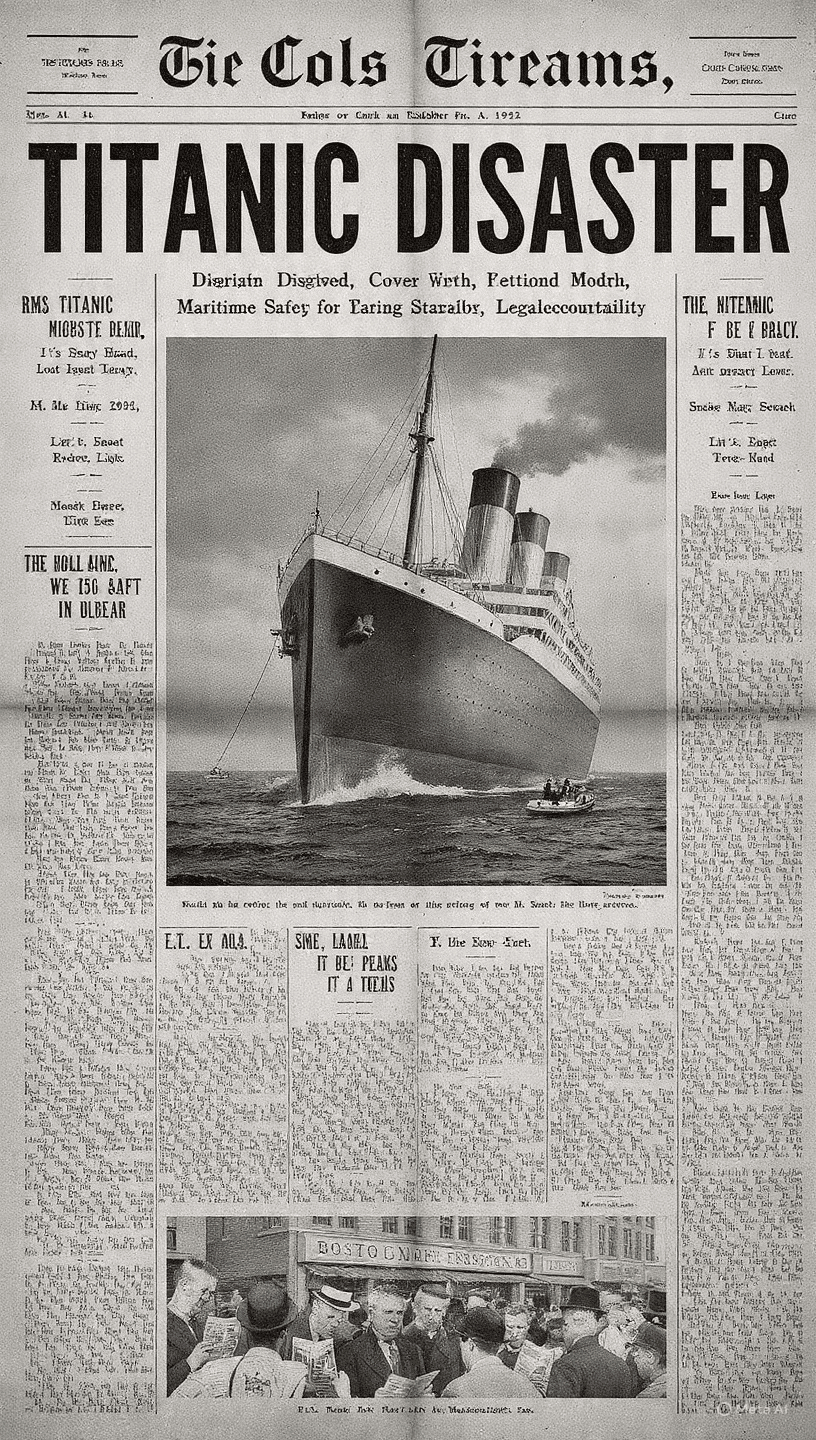
The announcement of the RMS Titanic's fateful sinking on April 16, 1912, shocked the world as news spread across Boston, Massachusetts, igniting discussions around maritime safety and legal accountability. The calamity, which left an indelible mark on the annals of maritime history, has triggered a wave of inquiries into the legal implications surrounding liability and negligence. Reports indicate that the White Star Line, the ship's operator, faces scrutiny as survivors and families of the deceased contemplate potential lawsuits. The tragedy not only highlights the catastrophic loss of life but also raises pressing questions about the responsibilities of maritime operators in ensuring the safety of their passengers.
In the aftermath of the disaster, police in Lynn issued an arrest order for a man named Dorr, who is implicated in the murder of George E. Marsh, a prominent individual reported among the deceased. This is part of a broader investigation, casting a pall over the already tragic situation as authorities work to untangle the complex circumstances surrounding both the sinking and the murder case. The formal legal proceedings against Dorr, should they proceed, could shed light on the difficulties of navigating criminal accusations amid public outrage over the shipwreck.
Public sentiment surrounding the incident is amplified by media portrayals, with the event described as perhaps the "greatest sea tragedy in history." This characterization invites concerns regarding sensationalism, particularly as these narratives could influence public perception and jury pools for any subsequent legal proceedings. The police are tasked with adhering to due process while investigating the details of Marsh’s death, and any missteps could result in allegations of wrongful arrest and further complicate the legal landscape.
Survivors of the Titanic's sinking find themselves in precarious positions, with rights to claim compensation for their losses resting heavily on their ability to produce evidence supporting their claims. The White Star Line maintains a position of defending against potential lawsuits while also adhering to maritime laws governing passenger safety. There exists an urgent need for those who survived to diligently document their experiences, in order to strengthen their legal claims against the operators of the ill-fated vessel.
The unfolding legal narratives surrounding the Titanic disaster prompt a wider examination of maritime law and its implications. As the United States grapples with the aftermath of this tragedy, the lessons learned could reverberate across legal jurisdictions, influencing future policies and regulatory frameworks governing maritime commerce and passenger safety. The actions taken now by legal entities, survivors, and the media will shape the broader discourse on accountability and prevention in maritime transportation in years to come.