The Allure of Strawberries: A Botanical Marvel and Culinary Delight
April 20, 2026
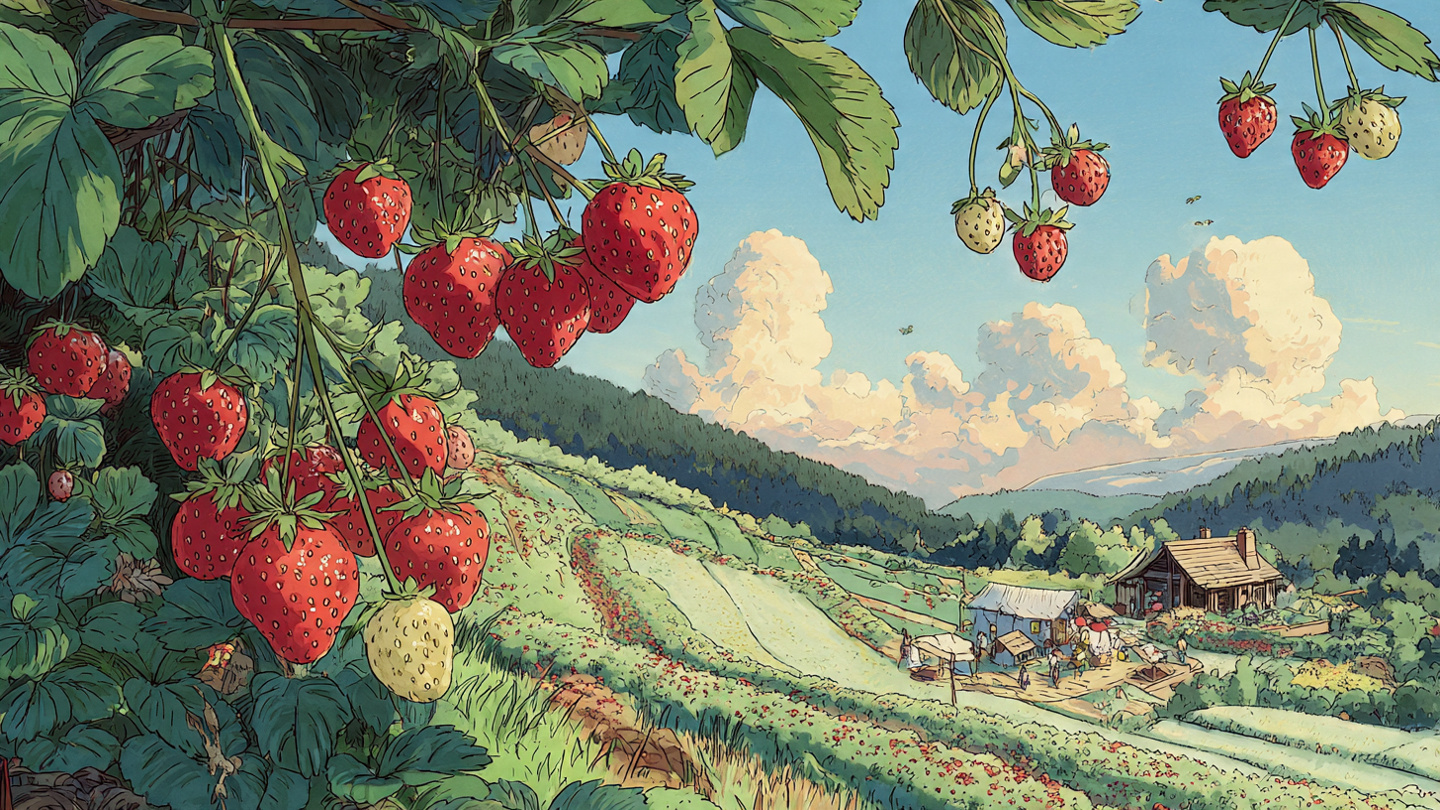
Strawberries have captivated the attention of both botanists and culinary enthusiasts alike with their vibrant red exterior and sweet, juicy flavor. This humble berry, often regarded as a summer staple, grows on low-lying plants that thrive in well-drained soil and abundant sunlight. The process of cultivating strawberries, whether in backyard gardens or commercial farms, reveals a fascinating interplay between natural growth cycles and human innovation.
The commercial cultivation of strawberries has rapidly expanded, resulting in a flourishing industry that supports local economies and improves food access. Farmers increasingly implement various sustainable practices to enhance yield while minimizing environmental impact. Techniques such as raised bed planting and crop rotation have been adopted to combat common diseases, allowing growers to introduce vibrant, healthy strawberries to the market.
Strawberries are not only appreciated for their flavor but also for their nutritional benefits. Rich in vitamins C and K, fiber, and antioxidants, they support a balanced diet and contribute to overall health. The incorporation of strawberries into various culinary applications, from desserts to salads, highlights their versatility. Bakers cherish strawberries for their ability to elevate the sweetness and appearance of cakes, while chefs integrate them into savory dishes, balancing flavors and adding a refreshing touch.
As consumer interest in locally sourced and seasonal produce continues to rise, the popularity of strawberries remains steadfast. Farmers' markets frequently feature fresh strawberries, and local festivals celebrate the arrival of the berry season. These events provide communities an opportunity to engage with food producers and enjoy the fruits of their labor. Such connections foster appreciation for agricultural practices and emphasize the significance of supporting local farmers who sustain the region's economy.