The Rise of Strawberry Cultivation: A Growing Trend in Sustainable Agriculture
April 21, 2026

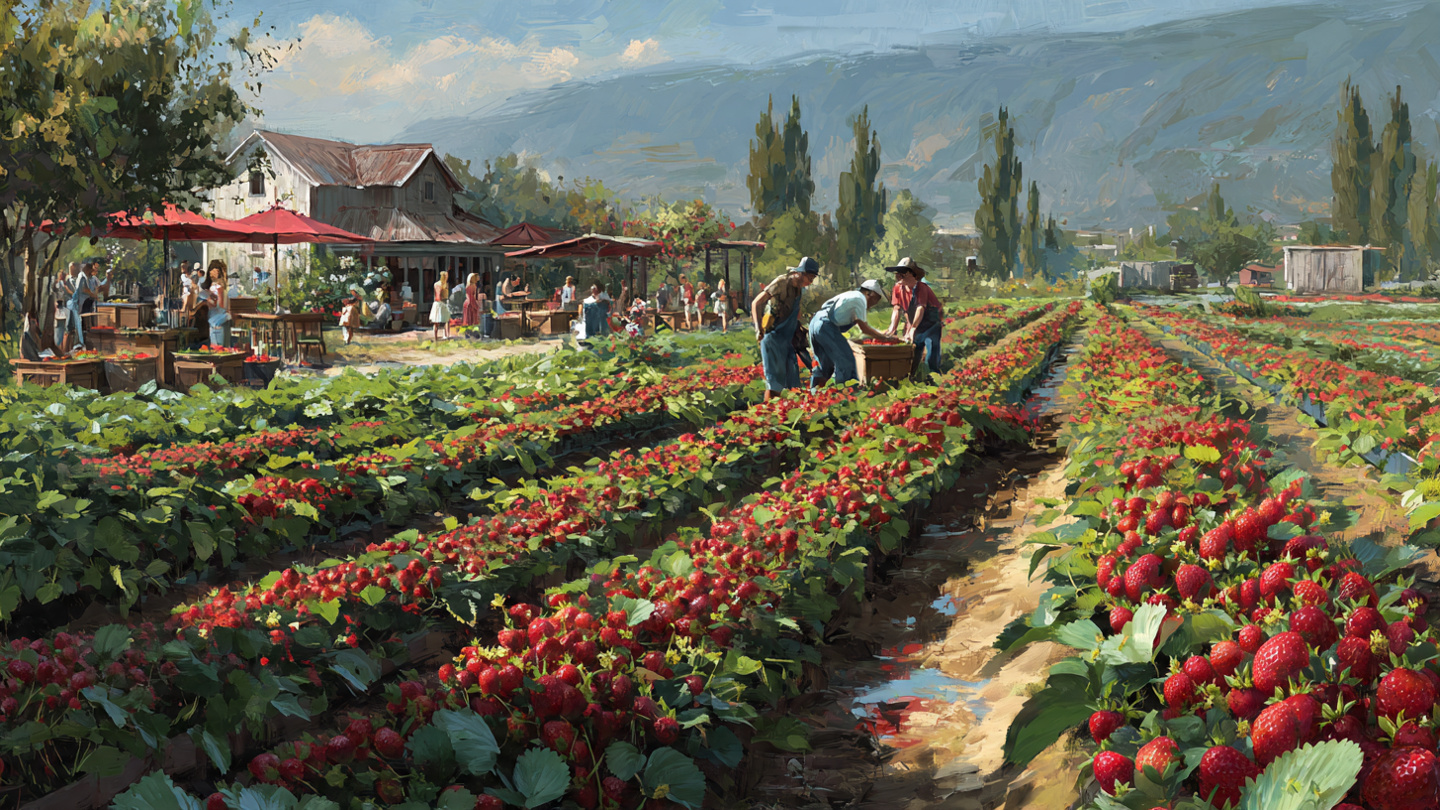
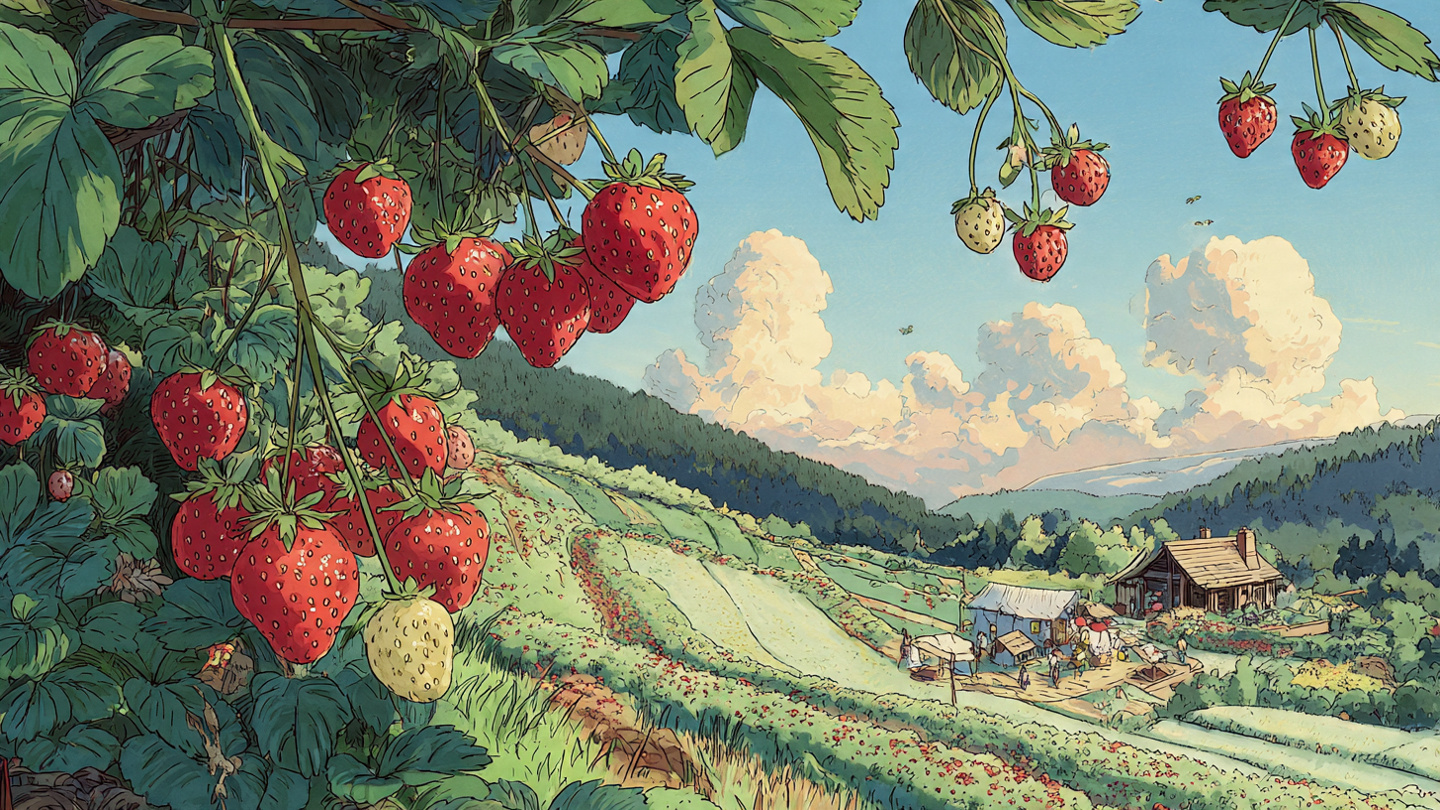
Strawberry cultivation has experienced a significant surge in popularity among local farmers in recent years. This trend reflects a growing consumer demand for fresh, locally sourced fruits and a shift towards sustainable agricultural practices. With its vibrant color and sweet flavor, the strawberry not only garners attention in local markets but also holds a significant place in modern dietary habits.
Farmers are increasingly recognizing the benefits of cultivating strawberries. The fruit, known for its rich vitamin C content and antioxidants, is an appealing choice among health-conscious consumers. Consequently, farmers have adopted various methods to optimize yield, including organic farming practices, which minimize the use of synthetic pesticides and fertilizers. By doing so, they are not only meeting consumer preferences but also contributing to the overall health of the environment.
Moreover, the economic implications of strawberry farming are noteworthy. Farmers reported increased profitability as strawberries fetch premium prices at farmers' markets and grocery stores. The rise of community-supported agriculture (CSA) initiatives has further enhanced direct sales opportunities, allowing consumers to connect with local growers. This relationship fosters a sense of community while promoting the sustainability of small farms.
However, challenges remain in strawberry cultivation, particularly regarding climate and pest management. Farmers have had to be adaptive, employing innovative techniques such as raised beds and crop rotation to combat issues like soil degradation and pest infestations. Research and development into disease-resistant strawberry varieties also show promise, ensuring that farmers can maintain productivity and quality amidst changing environmental conditions.
As the trend towards sustainable agriculture continues to evolve, strawberries stand out as a key player in the discussion of food security and local sourcing. Their cultivation presents both an opportunity and a responsibility for farmers, emphasizing the importance of sustainable practices in ensuring a fruitful future for generations to come.