Unveiling the Mystery Behind an Unremarkable Image
April 21, 2026

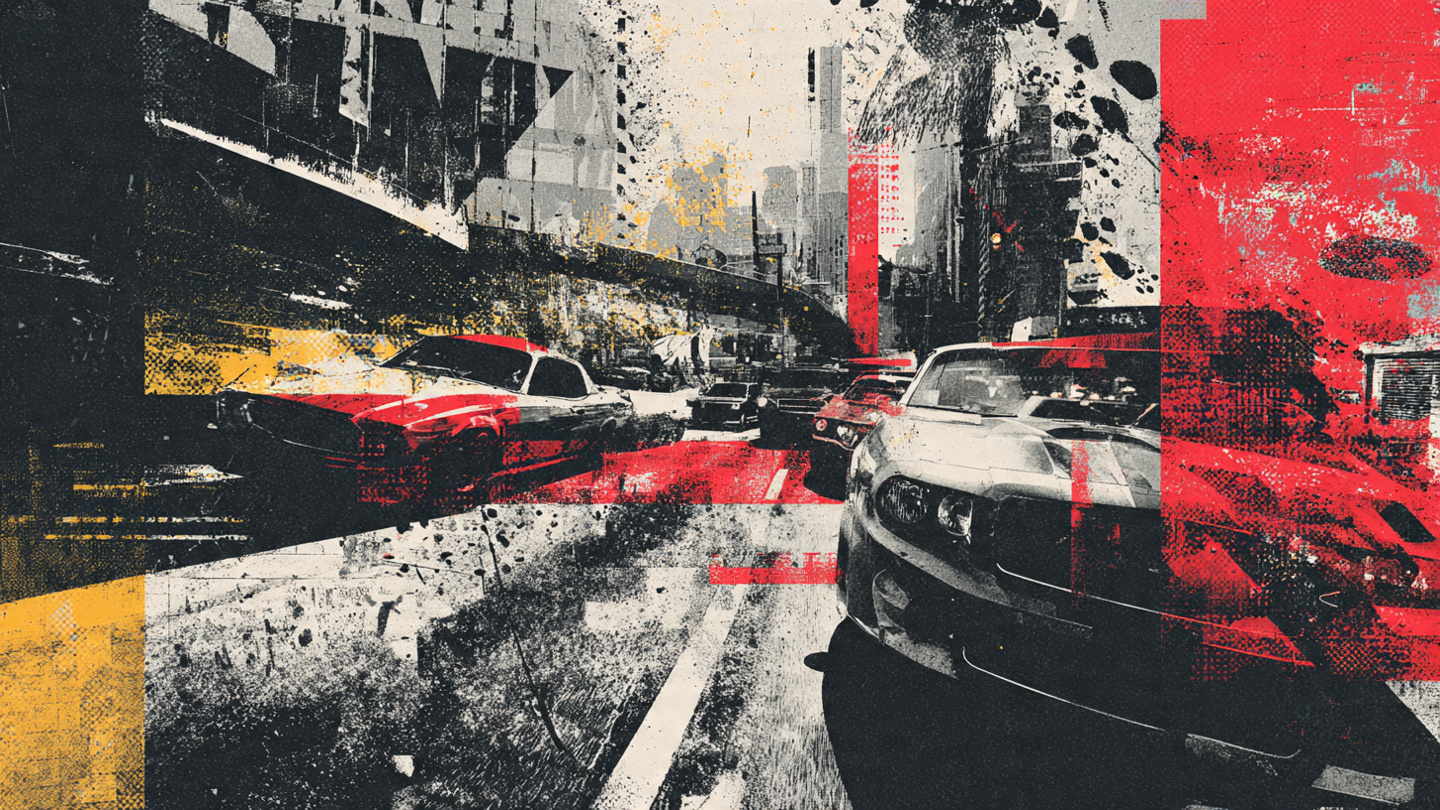
In a seemingly unremarkable digital image, a layered narrative emerges that speaks volumes about the challenges of interpreting visual data in today’s information age. Despite the apparent simplicity of the canvas, the absence of textual content raises questions regarding the context in which the image was created and viewed. Photography, often considered a window into reality, can present an intricate interplay between perception and meaning, urging observers to delve deeper into the potential stories hidden within the frame.
The image serves as a reminder of the limitations that come with analyzing visuals devoid of context. Without explicit content or identifiable subjects, viewers are left to grapple with the implications of their interpretations. This scenario emphasizes the evolving role of media literacy as a crucial skill for navigating an era rich in imagery yet often lacking in substantive information. The inability to discern specific details or extract a clear message from a visual representation challenges the effectiveness of communication in an increasingly image-driven world.
As technology continues to evolve, the significance of visual storytelling remains paramount. However, the reliance on imagery as a primary mode of communication requires a nuanced understanding of the ways in which visuals can mislead or obscure the intended message. The discourse surrounding images often centers on their capacity to evoke emotion and influence thought, yet this particular case illustrates the irony of an image that conveys no discernible narrative or sentiment.
This scenario encourages critical engagement with the media consumed and underscores the need for contextualization when interpreting visual data. The rise of platforms that prioritize images over text has transformed how information is disseminated and absorbed, yet it simultaneously calls for a more discerning audience capable of unraveling the complexities behind the visuals presented. As viewers navigate these landscapes, recognizing the gaps in understanding becomes essential in fostering a more informed public capable of questioning the narratives shaped by images.